




Visiting a sacred site in Cameroon can become one of the most memorable parts of your trip. Beyond the landscapes you can see from the road, some of Cameroon’s most fascinating cultural experiences take place inside traditional chiefdoms, sacred forests, lakes, royal compounds and ancestral sites where communities still keep their traditions alive.
However, communities do not treat sacred sites as ordinary tourist attractions. Many of these places still serve spiritual, cultural or ceremonial purposes.
As a result, knowing how to behave matters.
The seven rules below offer general guidelines for visiting a sacred site in Cameroon respectfully. However, Cameroon is home to hundred plus communities, each with its own traditions. A village, chiefdom or sacred site may therefore follow additional rules. Whenever local customs differ from these general guidelines, the local rules always come first.
1. Visit Sacred Sites With a Local Guide
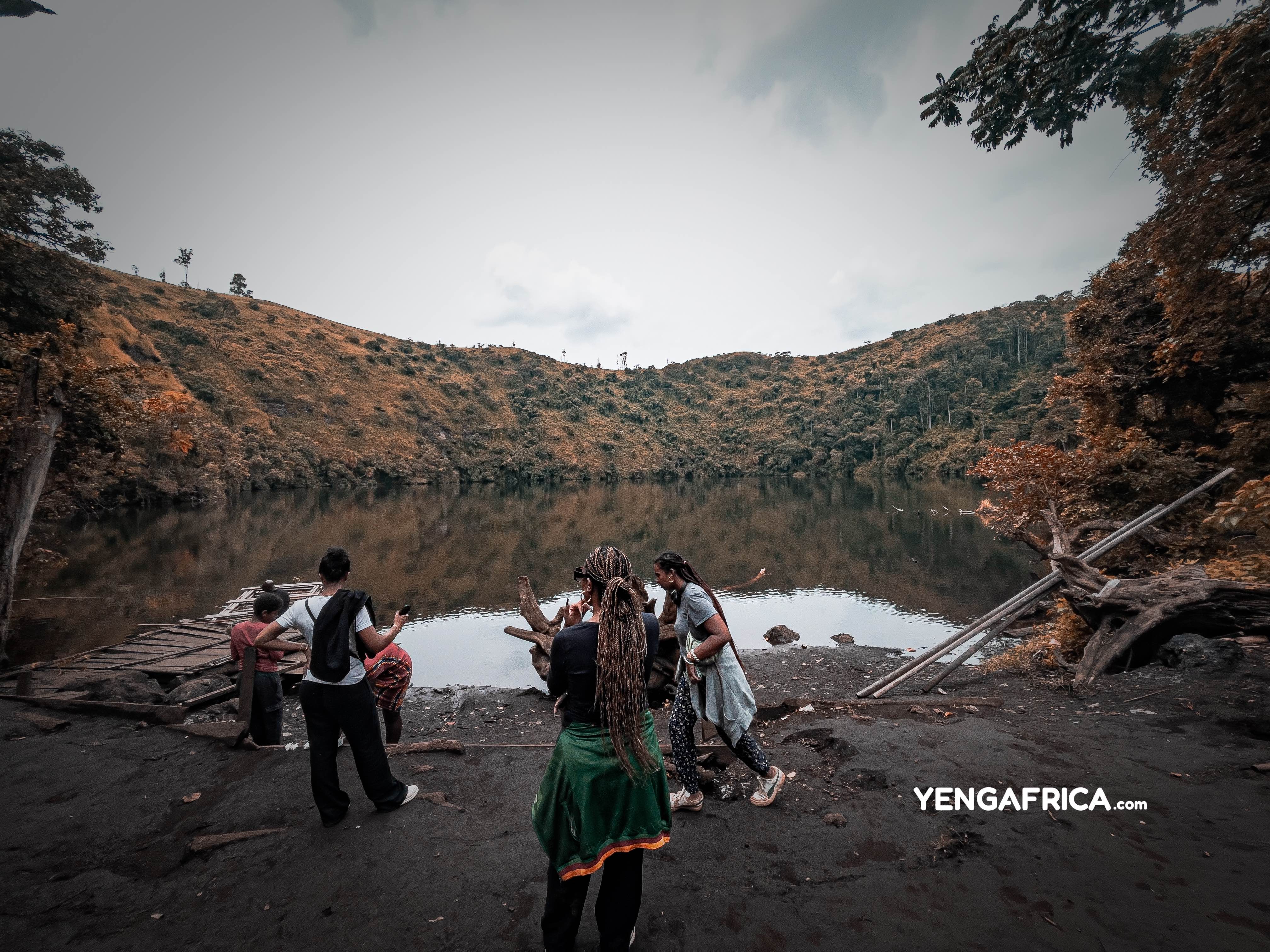
The first rule is simple: do not enter a sacred site on your own unless the community specifically allows it.
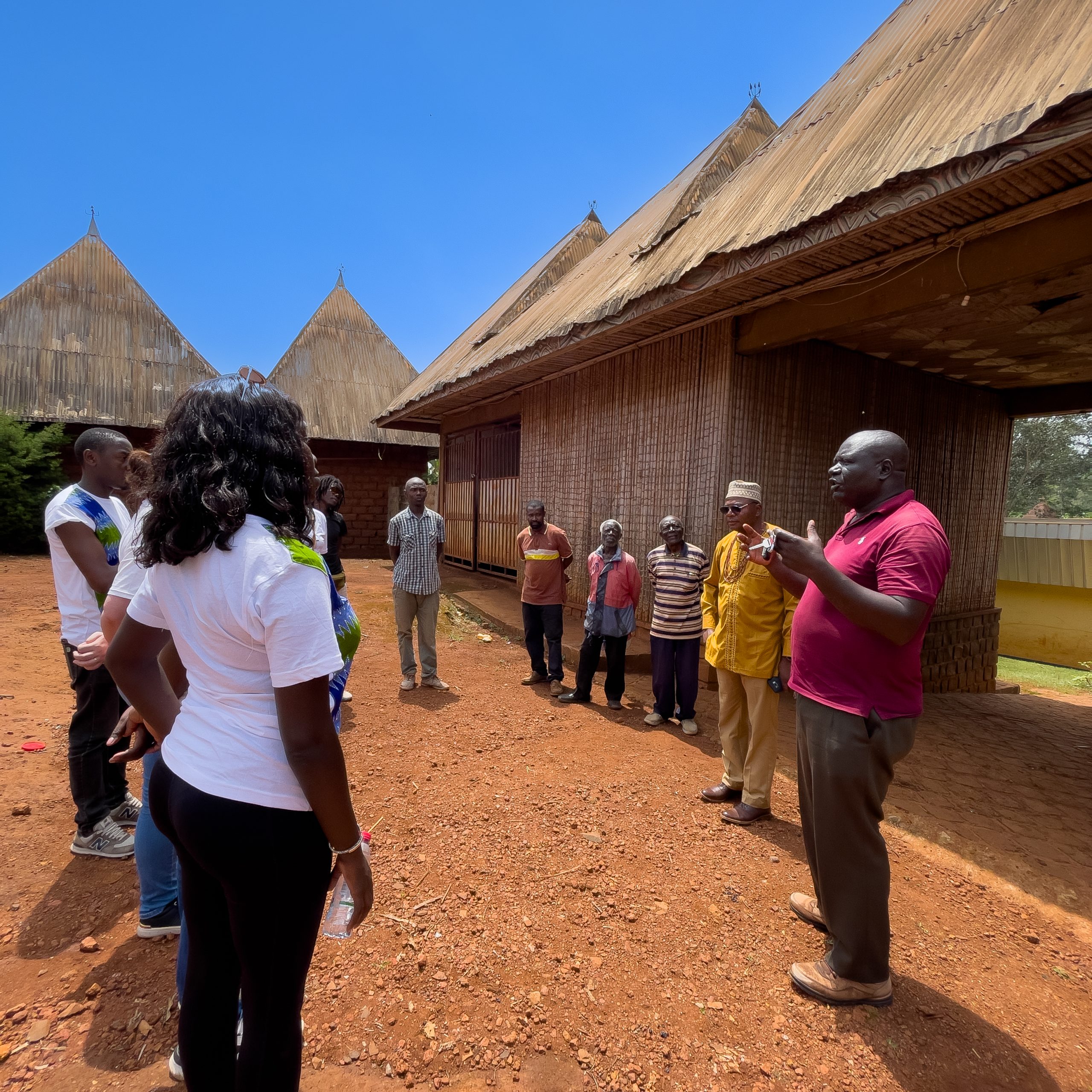
Many traditional communities control access to sacred forests, royal compounds, ancestral sites and certain lakes. A local guide, notable or community representative may therefore accompany visitors.
Their role goes far beyond explaining what you see. They know where visitors can walk, which spaces remain restricted, how to approach traditional authorities and which gestures the community may consider inappropriate.
They also know when visitors need permission before entering a specific area.
This matters because sacred spaces do not always display signs explaining what visitors can or cannot do. A path may look perfectly accessible to you while carrying a completely different meaning for the local community.
Why YENGAFRICA Works With Verified Local Guides
This is one reason YENGAFRICA works with verified experiences and local partners.
For cultural activities, our verification process includes checking whether the people delivering the experience understand the customs and protocols that visitors need to respect.
In many cases, local community members or people with strong knowledge of local traditions lead these experiences.
A good guide does not only show you the site. They help you enter it the right way.
2. Respect the Traditional Calendar
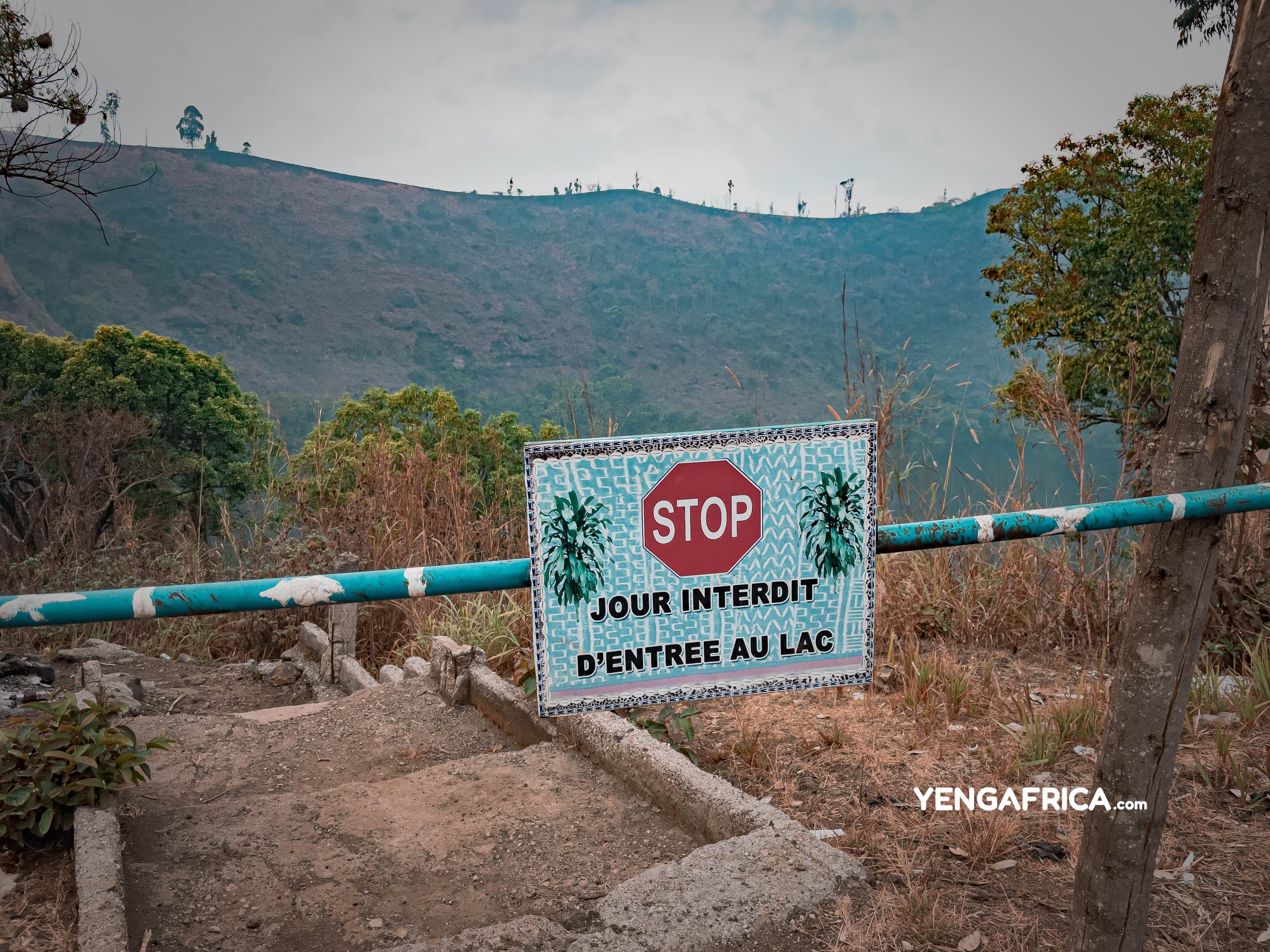
You found the place. You chose your date. You are ready to go.
Then the community tells you that you cannot visit that day.
This may sound surprising at first. However, some traditional communities in Cameroon use customary calendars to determine when cultural or spiritual activities can take place.
As a result, a site may welcome visitors on one day and close on another for ritual or traditional reasons.
Travellers should not treat these restrictions as obstacles to work around.
Visiting a Sacred Site in Cameroon: The Lake Baleng Example
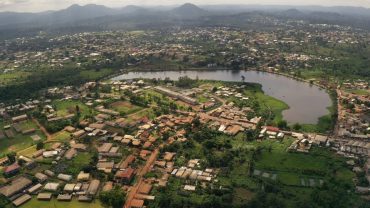
The guided tour of Lake Baleng offers a good example.
The community follows a traditional calendar that does not directly match the seven-day Gregorian week most travellers use.
To make the experience easier to understand and book while respecting local traditions, YENGAFRICA converts the traditional calendar into the Gregorian calendar.
Therefore, travellers can only book the Lake Baleng experience on dates when the local tradition allows visits.
This principle matters when visiting a sacred site in Cameroon. A traveller’s schedule should never take priority over the community’s traditions.
Sometimes, the right day to visit is simply the day the community allows you to enter.
3. Follow the Entry Rituals
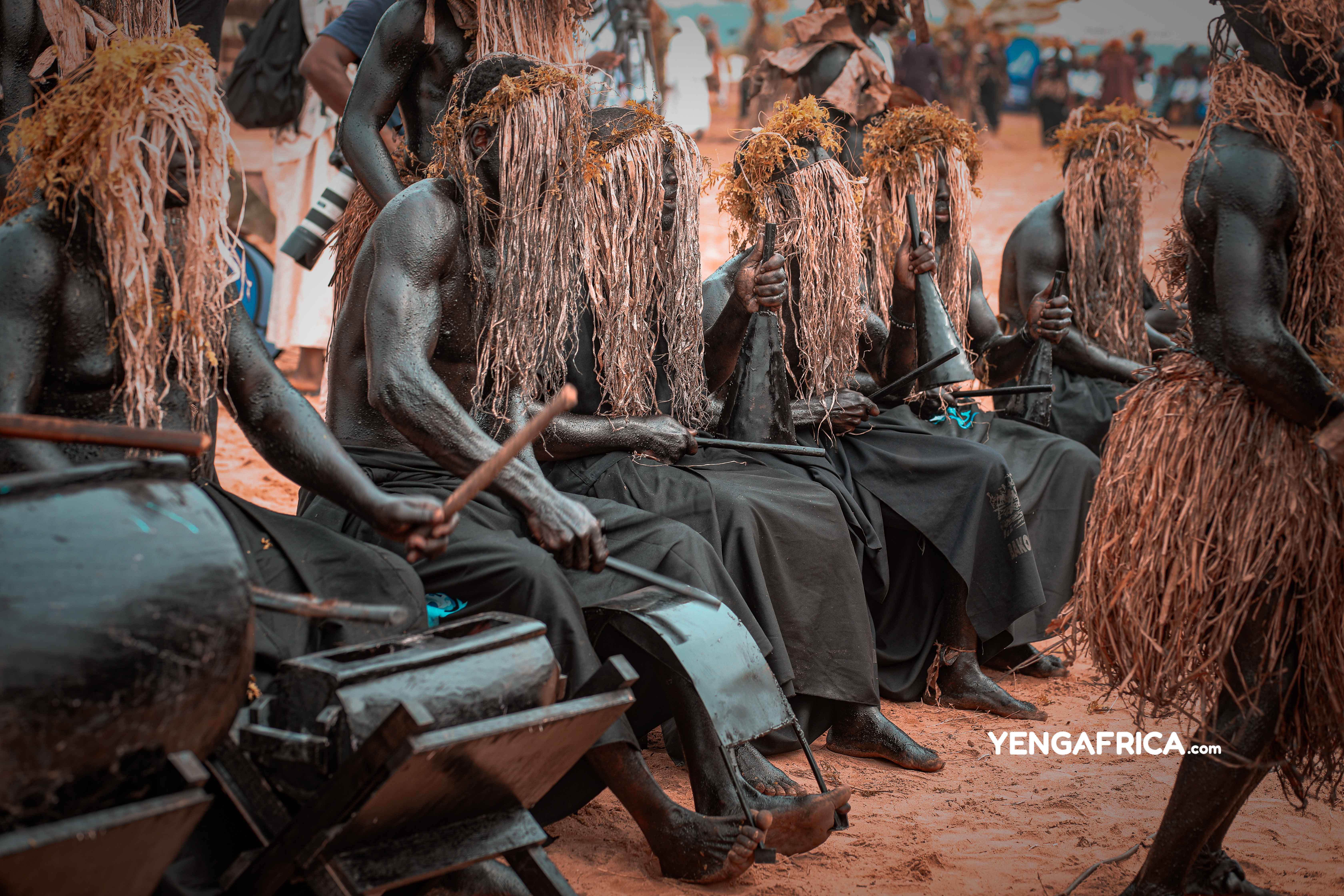
Arriving at a sacred site does not always mean that you can walk straight in.
Some communities require visitors to follow rituals, greetings or other traditional procedures before they enter. When this happens, give the process the time it deserves and follow your guide’s instructions.
Jébalè Island: The Visit Starts Before You Enter
The Jébalè Island experience shows how this works in practice.
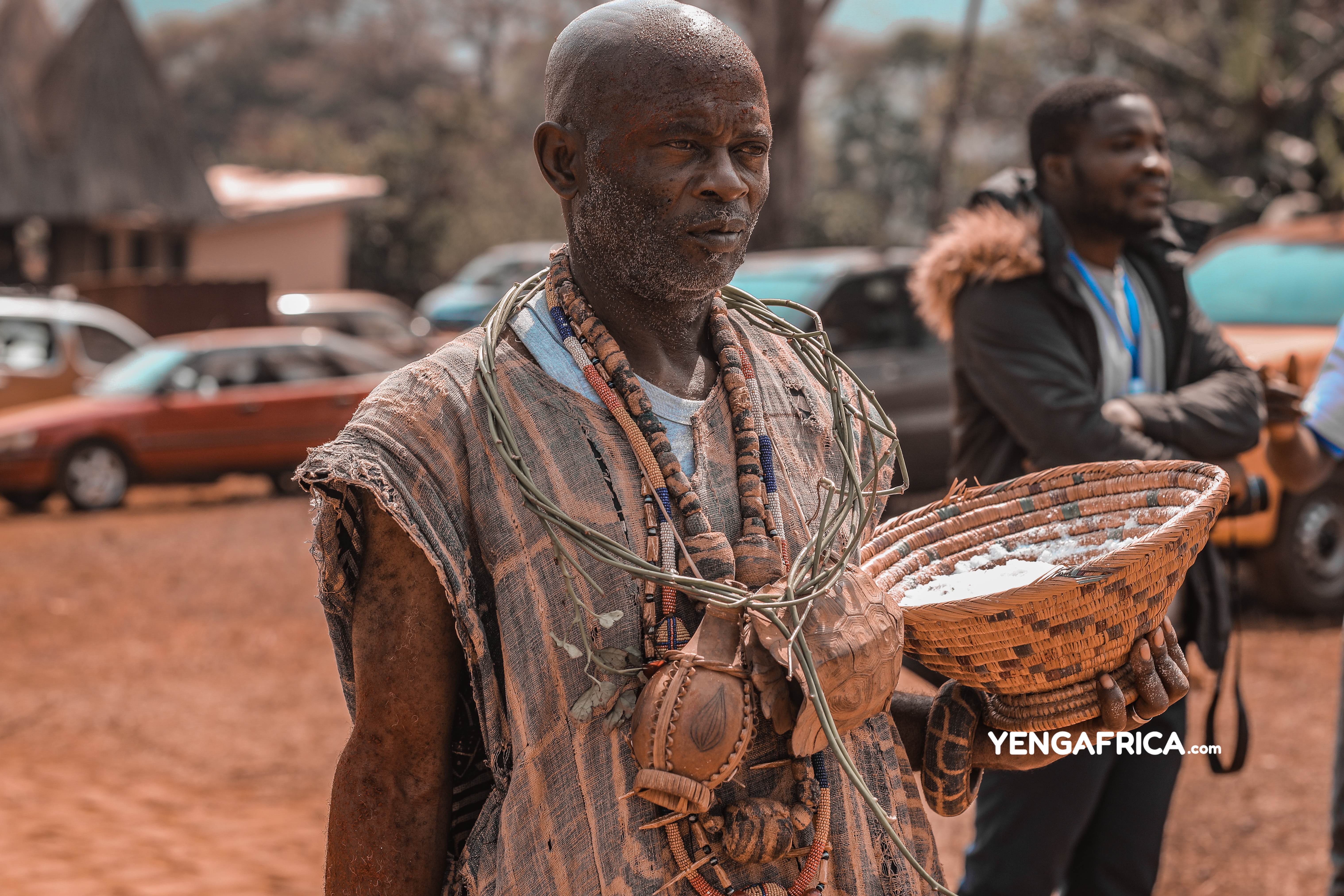
Before visitors access the island, the local guide performs the traditional entry ritual. The visit therefore begins according to the community’s customs rather than the visitor’s timetable.
For the people who maintain these traditions, the ritual may express respect for the ancestors and preserve harmony between visitors, the community and the spiritual meaning of the place.
You do not need to share the same beliefs to respect them.
As a visitor, you do not decide whether the ritual matters. Instead, you recognise that the community has welcomed you into a place governed by traditions that existed long before your arrival.
If your guide asks you to wait before entering, wait.
The experience has already begun.
4. Dress and Behave Respectfully
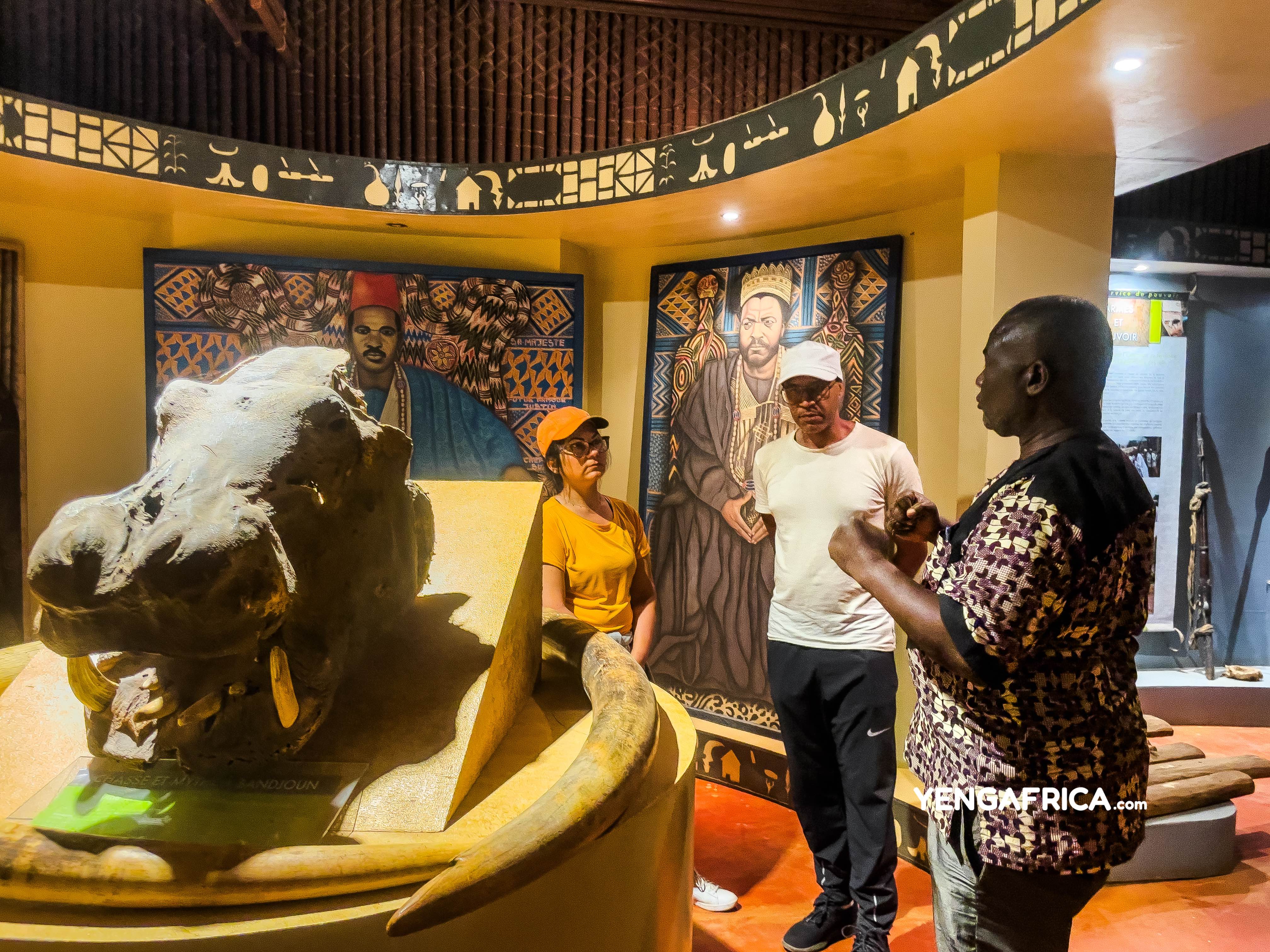
No single dress code applies to every sacred site in Cameroon. Nevertheless, modest clothing and respectful behaviour provide a good starting point.
Avoid clothing that the community or ceremony may consider inappropriate. In some places, your guide may also ask you to remove your shoes before entering a royal house, shrine or another culturally important space.
Your behaviour matters just as much.
Keep your voice down when the situation requires it, especially around shrines, royal tombs, sacred forests or ceremonial areas. Avoid interrupting rituals or treating sacred objects as tourist props.
Most importantly, observe before you act.
The behaviour of your guide and members of the community will often show you what they expect from visitors.
Remember that people may use these places to pray, honour their ancestors, perform ceremonies or maintain traditions across generations.
For you, the place may represent a fascinating stop during your trip.
For someone else, it may be sacred ground.
5. Remove Your Hat When Required
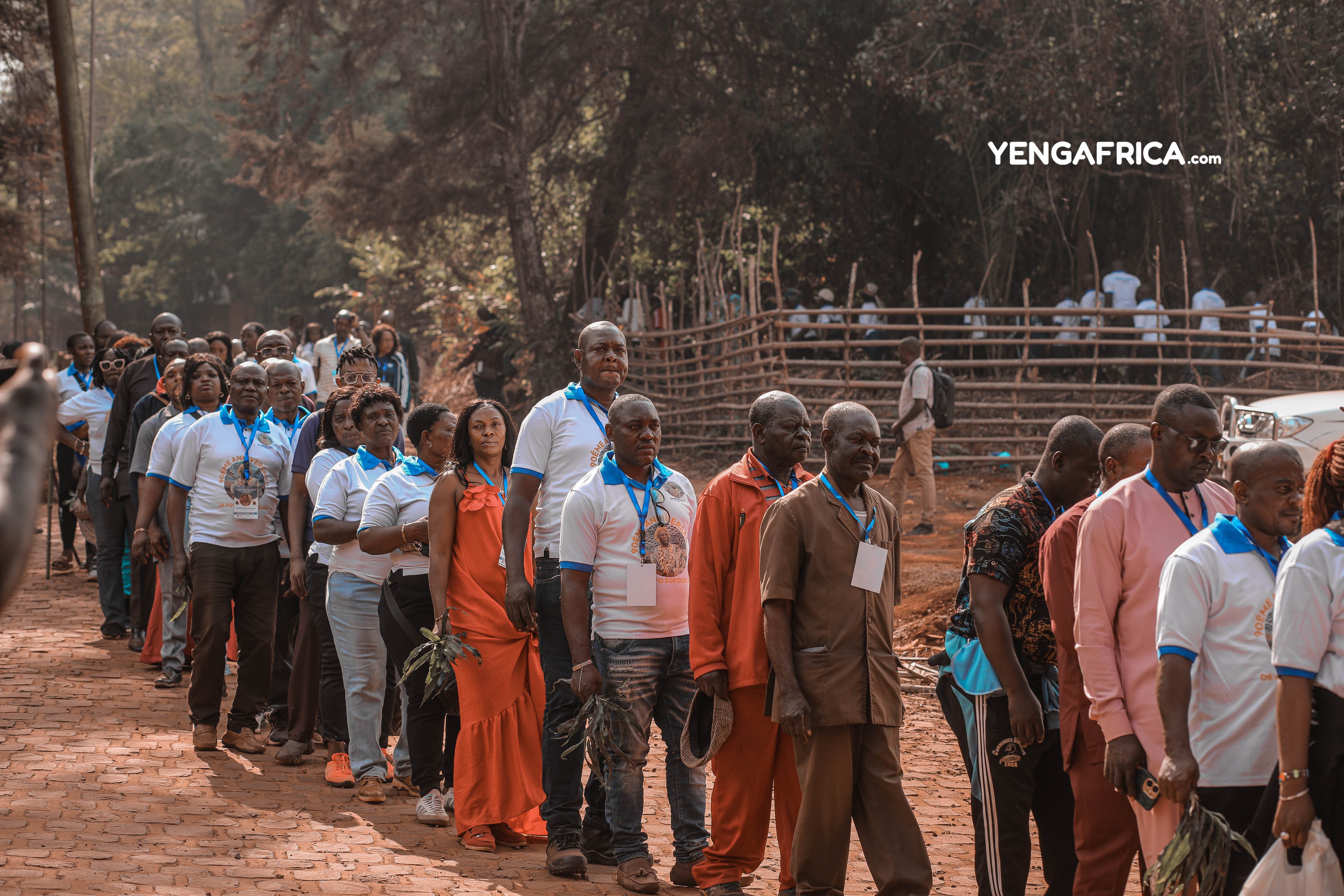
A hat may seem like a small detail. In the right context, however, removing it can communicate respect.
In some Cameroonian communities, tradition expects visitors to uncover their heads when they approach a traditional authority, greet an elder or enter certain sacred spaces.
Depending on the community, the greeting may also include a slight bow, respectful words, hand clapping or simply waiting until someone invites you to speak.
Again, every community follows its own protocol. Therefore, watch your guide and follow local instructions.
Bamendjou: A Simple Gesture Before Entering the Sacred Forest
The Cultural Pilgrimage in Bamendjou provides a practical example.
Before the walk begins, everyone removes their hat before entering the sacred forest to respect the traditions connected to the experience.
A simple gesture can therefore carry a much deeper meaning.
This is precisely why travelling with someone who understands the local culture matters. Nobody expects you to arrive knowing every traditional code. However, the community does expect you to listen when someone explains those codes.
6. Ask Before Taking Photos at Sacred Sites
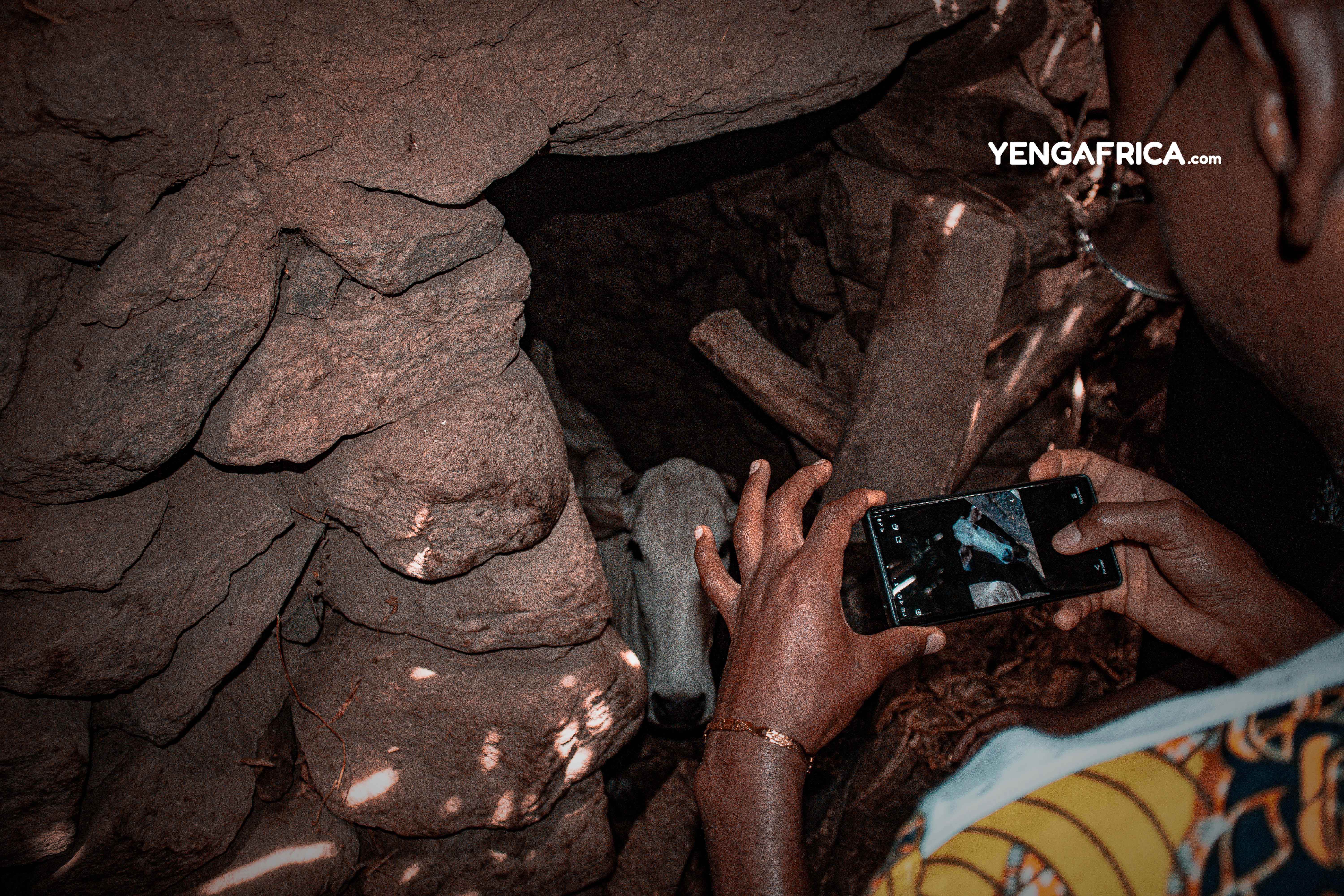
This may be one of the easiest mistakes to make when visiting a sacred site in Cameroon.
You see something extraordinary, and your first instinct is to reach for your phone.
Don’t.
Before you photograph a traditional chief, ceremony, sacred object, royal throne, shrine or restricted area, always ask for permission.
Communities may allow some photographs freely. However, they may limit photography in certain places, at specific moments or around particular objects and ceremonies.
The safest habit is simple: ask your guide before taking the picture.
If the guide says no, accept the answer. Do not negotiate or try to take the photograph discreetly.
The restriction may carry cultural or spiritual meaning for the community. Respecting it therefore shows respect for the people who welcomed you into their space.
The same principle applies when photographing people. Traditional authorities, elders and community members do not automatically become photo subjects simply because visitors find their clothing or surroundings interesting.
Sometimes, the best memory is one you do not bring home on your phone.
7. Never Assume Something Is Allowed
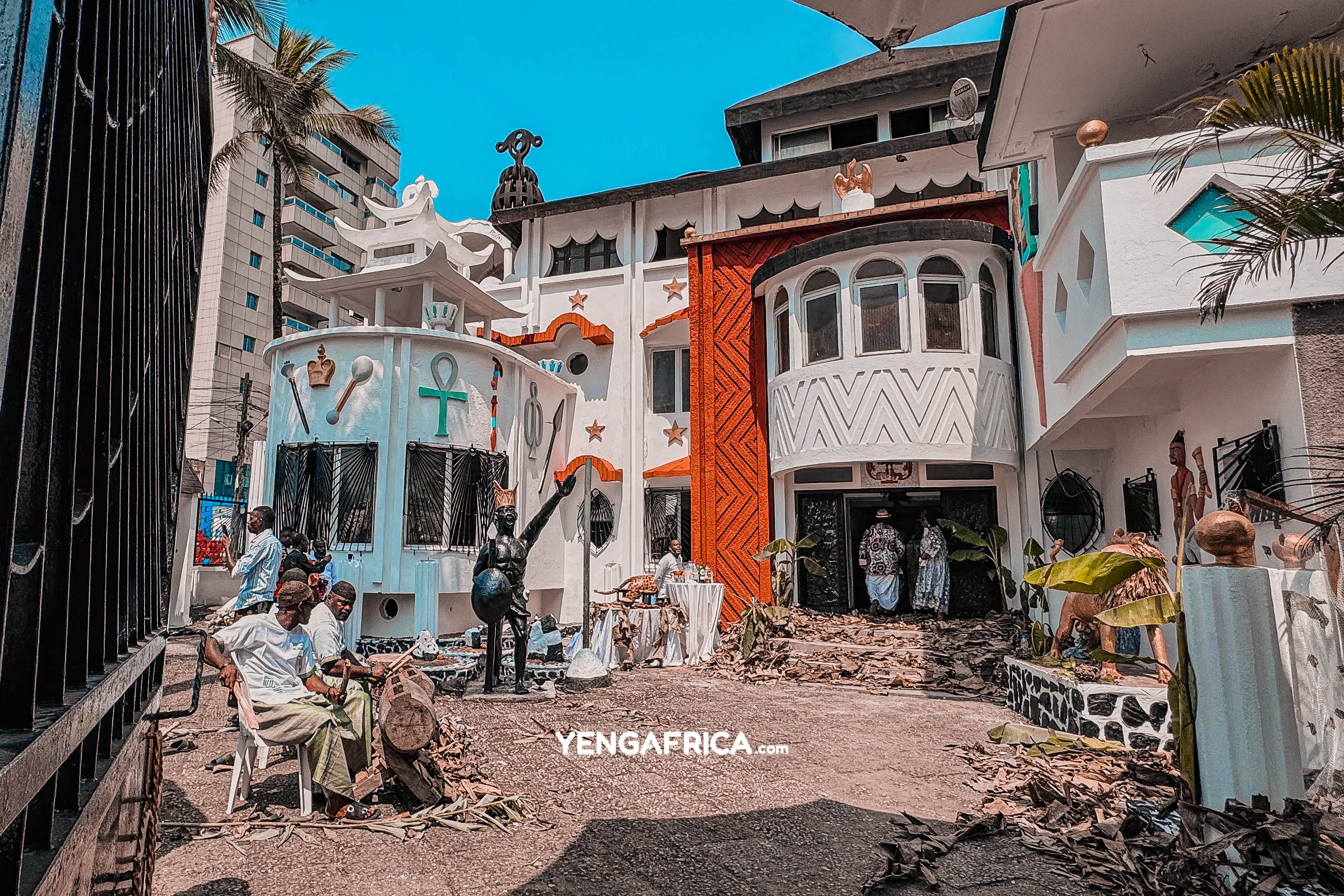
Perhaps the most useful rule is also the simplest:
When in doubt, ask.
An empty stool may belong to a chief or notable, so ask before sitting down.
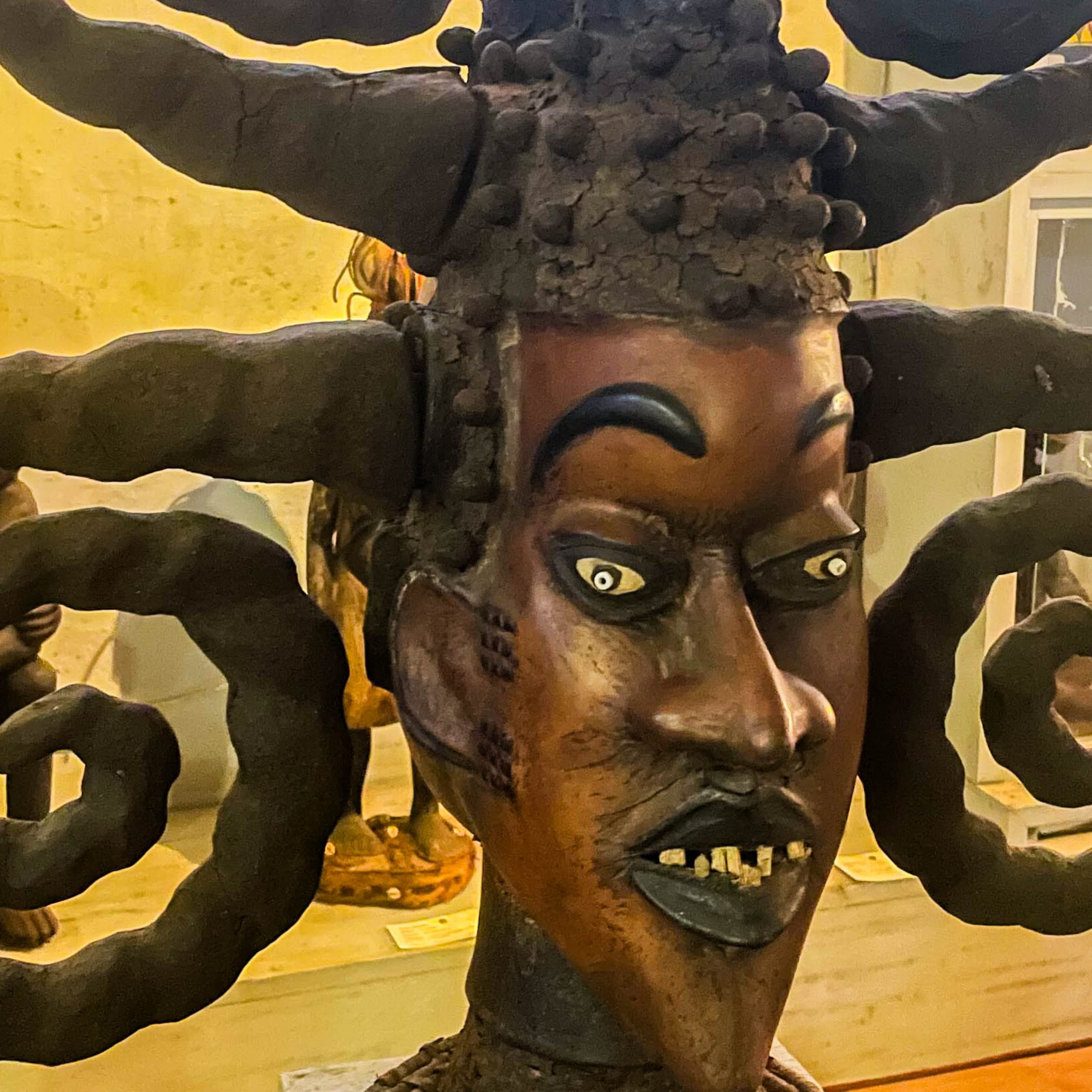
A ritual object may sit within reach, but that does not mean you should touch it.
An unfenced path may still cross a restricted area.
Plants growing around a sacred lake or forest may carry cultural or spiritual significance, so leave them where they are.
An open door does not automatically invite visitors inside.
Likewise, inviting water does not necessarily mean the community allows swimming.
Finally, never assume that an action is acceptable simply because nobody has stopped you.
Visitors cannot always recognise local restrictions. In some communities, people must first request permission or complete a ritual before entering a particular place.
Your local guide should therefore remain your main reference.
This is also why choosing a verified cultural experience matters. At YENGAFRICA, we do more than make activities bookable. We work with local partners so travellers can experience these places while respecting the communities that protect them.
At Lake Baleng, we respect the traditional calendar before opening dates for booking. On Jébalè Island, the local guide performs the traditional entry ritual before visitors access the island. During the Bamendjou Cultural Pilgrimage, participants remove their hats before entering the sacred forest.
About YENGAFRICA
YENGAFRICA is Cameroon’s first tourism marketplace, offering over 300+ unique Verified ativities and experiences across the country. Whether you want to book adventures online or create a custom itinerary, our team ensures every trip is safe, authentic, and memorable.
📲 Follow our WhatsApp Channel & 🔔 activate notifications for travel tips, discounts, and updates.
Connect with us 📷 Instagram | 🎥 TikTok | ▶️ YouTube | 💼 LinkedIn | 👍 Facebook
For more enquiries, Contact us HERE